Digitised Diseases Home

Category

Digital Health & Devices

6 articles

The Scale Is Not the Suffering: Interpreting Pain Scores in NHS Data

The Scale Is Not the Suffering: Interpreting Pain Scores in NHS Data

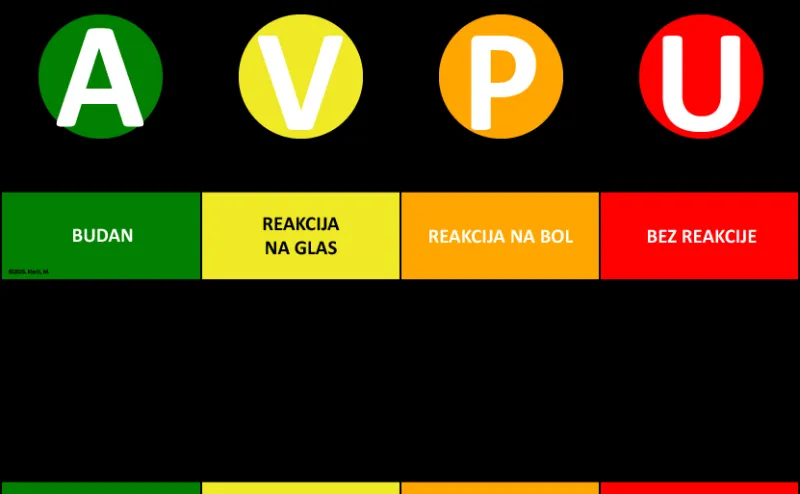
Pain scores are now a routine digital entry in many NHS records, from emergency departments to community nursing. But a 0–10 rating is a request for communication, not a measurement of suffering. Reading pain data well means asking who was asked, how the question was put, and what happens next.
The Bed That Isn't There: Reading the Data Behind NHS Virtual Wards

The Bed That Isn't There: Reading the Data Behind NHS Virtual Wards

Virtual wards move the observation of illness from a hospital bay into a living room, and with it the point at which data is created. This piece examines what remote-monitoring records capture, which patients quietly fall out of the feed, and why a stable dashboard is not the same thing as a stable patient.

Rare, Not Invisible: Inside the UK's Registries for Low-Prevalence Disease

Rare, Not Invisible: Inside the UK's Registries for Low-Prevalence Disease

Rare disease registries are among the UK's most ambitious attempts to make small patient populations visible to clinicians and researchers. They also expose hard questions about consent, standardisation, linkage and statistical disclosure—questions that determine whether the data can be trusted and used well.

Beyond the Tick Box: How SNOMED Codes Turn a GP Appointment into Health Data

Beyond the Tick Box: How SNOMED Codes Turn a GP Appointment into Health Data

A routine GP consultation produces more than a narrative note. It generates structured codes, quality indicators and free text that can be extracted for research—if the data are good enough. This explainer traces how a ten-minute appointment becomes secondary-use health data, and where patients should look for the gaps.

Signals on the Wrist: Which Wearable Metrics Deserve a Place in the Consulting Room

Signals on the Wrist: Which Wearable Metrics Deserve a Place in the Consulting Room

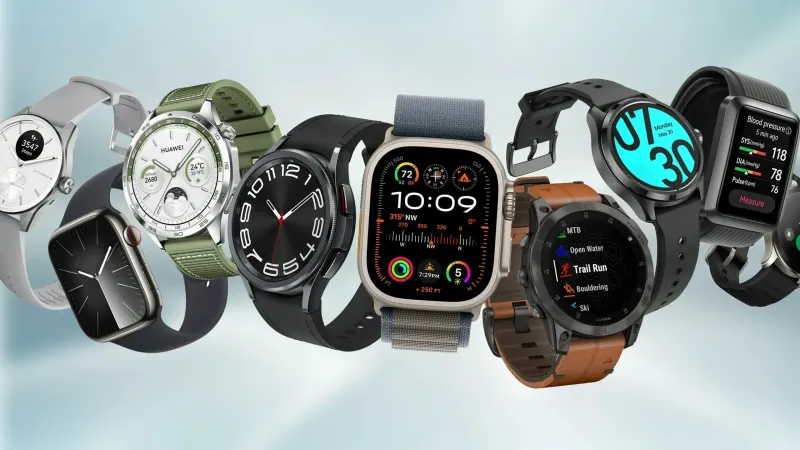
Smartwatches now generate heart rhythms, oxygen levels, sleep scores and readiness indices by the hour. We separate the handful of measurements with genuine clinical traction from the ones that are, for now, consumer decoration — and explain how to raise a wearable finding without derailing a ten-minute appointment.